




Table of Contents
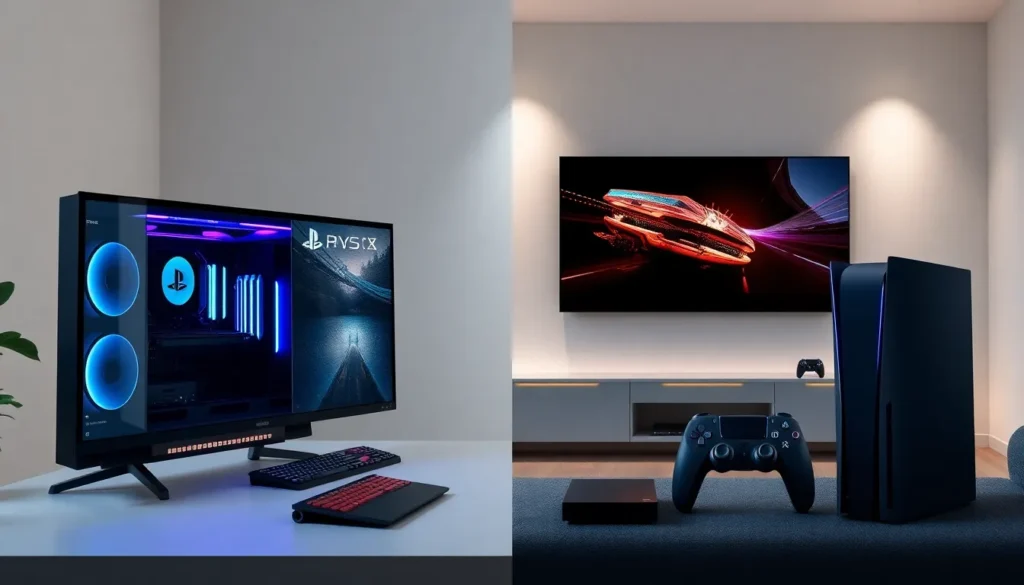
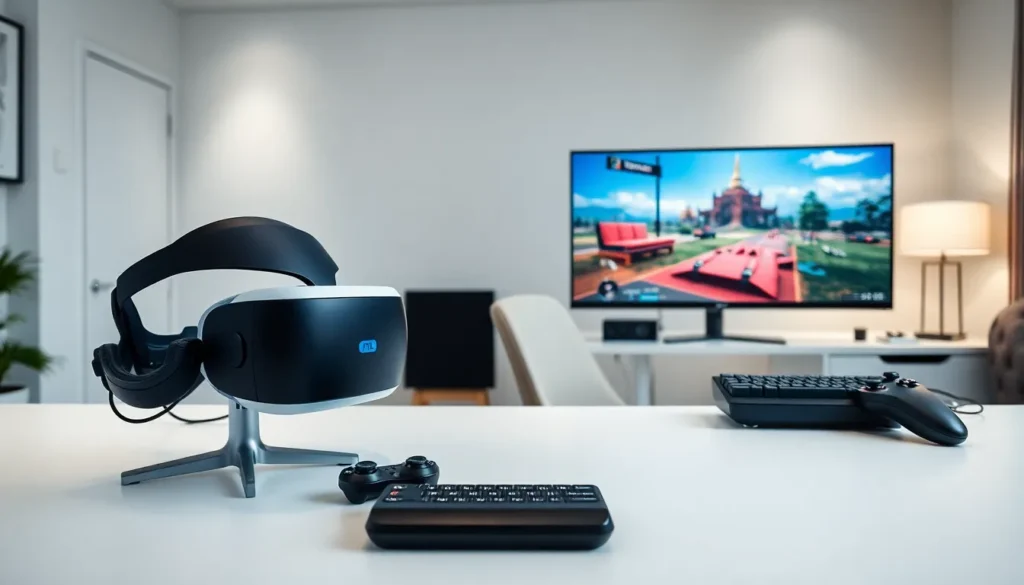
ToggleVR gaming vs traditional gaming represents one of the most significant debates in modern entertainment. Both platforms offer unique experiences, but they serve different types of players. VR gaming places users inside virtual worlds through headsets and motion controllers. Traditional gaming uses screens, keyboards, and standard controllers. This guide breaks down the key differences between VR gaming vs traditional setups. Readers will discover which option fits their lifestyle, budget, and gaming goals.
Key Takeaways
- VR gaming vs traditional gaming comes down to personal priorities—immersion and physical engagement favor VR, while game variety and accessibility favor traditional platforms.
- Standalone VR headsets start around $300, while traditional gaming offers more flexible price points from $299 consoles to high-end PCs.
- VR gaming promotes physical activity and burns significant calories, but may cause motion sickness and requires play area space of at least 6.5 by 6.5 feet.
- Traditional gaming dominates in game library size, graphical fidelity, and comfort for extended play sessions.
- Many gamers adopt a hybrid approach, using VR for immersive experiences like fitness and simulations while relying on traditional platforms for competitive and story-driven games.
What Sets VR Gaming Apart
VR gaming delivers an immersive experience that traditional platforms cannot match. Players wear headsets that track head movements in real time. Motion controllers let users interact with virtual environments using natural hand gestures. This creates a sense of presence, the feeling of actually being inside the game.
The technology has advanced rapidly since consumer VR headsets launched in 2016. Modern devices like the Meta Quest 3 and PlayStation VR2 offer high-resolution displays and precise tracking. These improvements make VR gaming vs older systems feel like a generational leap.
Some game genres thrive in VR. Horror games become genuinely terrifying when threats appear right beside the player. Fitness titles turn workouts into engaging adventures. Social VR platforms let users meet friends in shared virtual spaces. These experiences simply don’t translate to flat screens.
VR gaming also introduces new gameplay mechanics. Players physically duck behind cover, aim weapons with their hands, and explore spaces by walking around. This physical involvement adds layers of engagement that button presses cannot replicate.
The Strengths of Traditional Gaming
Traditional gaming holds advantages that keep it dominant in the market. The game library dwarfs what’s available for VR. AAA titles like Elden Ring, Baldur’s Gate 3, and Call of Duty release exclusively or primarily for traditional platforms. When comparing VR gaming vs traditional catalogs, the depth and variety favor standard setups.
Accessibility remains a core strength. Players can game for hours without physical fatigue. They sit comfortably on couches, recline in gaming chairs, or play from bed. Traditional gaming fits into daily life with minimal friction.
Multiplayer experiences on traditional platforms have decades of refinement. Competitive esports, massive online worlds, and local co-op sessions all work seamlessly. The infrastructure for online gaming on consoles and PCs is mature and reliable.
Graphical fidelity also tips toward traditional systems. High-end gaming PCs push 4K resolution at high frame rates. Console games receive years of optimization. VR headsets must render two high-resolution images simultaneously while maintaining 90+ fps, which limits visual complexity.
Cost and Accessibility Comparison
Budget plays a major role in the VR gaming vs traditional gaming decision. Entry costs differ significantly between platforms.
Standalone VR headsets start around $300 for the Meta Quest 3S. PC-connected headsets require a capable gaming computer, pushing total costs above $1,500. PlayStation VR2 costs $550 but needs a PS5 console.
Traditional gaming offers more price points. A Nintendo Switch costs $299. Current-generation consoles range from $449 to $499. PC gaming can start under $600 for budget builds or exceed $3,000 for enthusiast systems.
Game prices also vary. VR titles typically cost $20-$40, with fewer sales and discounts. Traditional games range from free-to-play options to $70 premium releases, with frequent sales on digital storefronts.
Space requirements affect accessibility too. VR gaming needs a clear play area, at least 6.5 feet by 6.5 feet for room-scale experiences. Traditional gaming requires only enough space for a screen and seating. Apartment dwellers or those with limited space may find traditional setups more practical.
The comparison of VR gaming vs traditional platforms shows that traditional gaming wins on initial cost flexibility, while standalone VR offers a compelling mid-range option.
Health and Comfort Considerations
Physical effects differ sharply between VR gaming vs traditional gaming sessions.
VR gaming can cause motion sickness in some users. The disconnect between visual movement and physical stillness triggers nausea for sensitive individuals. This improves with exposure for many players, but some never adapt fully. Modern headsets include comfort settings and teleportation movement options to reduce these effects.
On the positive side, VR gaming promotes physical activity. Beat Saber players burn 6-8 calories per minute, comparable to playing tennis. Fitness-focused VR games turn exercise into entertainment, which benefits sedentary gamers.
Traditional gaming presents its own health concerns. Extended sessions lead to eye strain, poor posture, and repetitive stress injuries. But, these develop gradually and can be prevented with breaks and ergonomic setups.
Headset weight and heat create comfort limits for VR. Most users need breaks after 1-2 hours. Traditional gaming allows marathon sessions when players choose. The physical demands of VR gaming vs sitting with a controller create different fatigue patterns.
Both platforms benefit from moderation and awareness of physical effects.
Choosing Based on Your Gaming Preferences
The VR gaming vs traditional gaming choice depends on individual priorities.
Players who value immersion and unique experiences should consider VR. The feeling of presence in virtual worlds offers something traditional screens cannot provide. Fitness-minded gamers appreciate active play sessions. Those curious about emerging technology will find VR exciting.
Traditional gaming suits players who want variety. Thousands of titles span every genre imaginable. Competitive gamers find established esports scenes. Story-focused players access acclaimed narrative games unavailable in VR.
Social gaming patterns matter too. Traditional platforms support local multiplayer on one TV. VR remains primarily a solo experience, though social VR apps are growing. Families often find traditional gaming more shareable.
Many gamers don’t choose exclusively. They own both VR headsets and traditional systems. VR handles specific experiences, rhythm games, simulations, and fitness. Traditional platforms cover everything else. This hybrid approach maximizes gaming options.
The comparison of VR gaming vs traditional setups reveals no universal winner. Each platform excels in different areas.