


Table of Contents
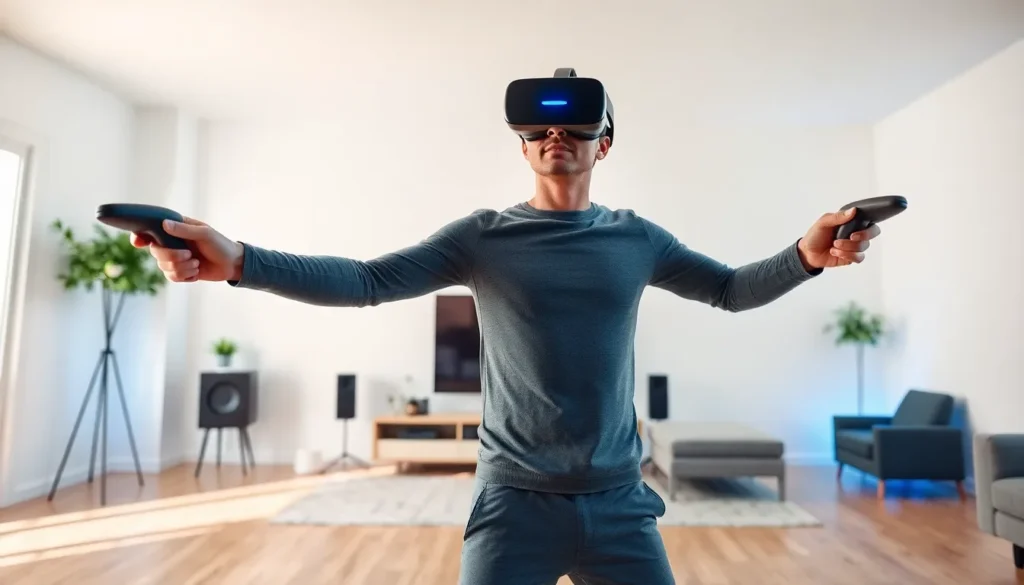
ToggleVR gaming transforms how players interact with digital worlds. Instead of watching a screen, users wear a headset that places them inside the game. They can look around, reach out, and move through virtual environments as if they were actually there.
Virtual reality gaming has grown rapidly over the past decade. Major companies like Meta, Sony, and Valve now produce dedicated VR hardware. Millions of players worldwide have adopted this technology for entertainment, fitness, and social connection.
This guide explains how VR gaming works, what equipment players need, and what types of experiences are available. It also covers the benefits and challenges of virtual reality gaming for anyone considering their first headset.
Key Takeaways
- VR gaming uses headsets, motion tracking, and spatial audio to immerse players inside virtual worlds rather than watching on a screen.
- Standalone headsets like the Meta Quest 3 offer affordable VR gaming starting at $300–$500, while PC-connected systems deliver higher visual quality at a greater cost.
- Popular VR gaming genres include action shooters, rhythm games like Beat Saber, flight simulators, social platforms, and immersive horror experiences.
- Many VR games provide physical activity benefits, making them a fun option for exercise and fitness routines.
- New players should be aware of potential challenges like motion sickness, space requirements, and the smaller game library compared to traditional platforms.
How VR Gaming Works
VR gaming relies on several technologies working together to create an immersive experience. The core principle is simple: trick the brain into believing it exists somewhere else.
Display and Optics
A VR headset positions two small screens directly in front of the user’s eyes. Each screen shows a slightly different image, matching how human eyes naturally see the world. This creates stereoscopic 3D vision with genuine depth perception.
Specialized lenses between the screens and the eyes bend the images to fill the user’s peripheral vision. Modern VR headsets offer field-of-view measurements between 90 and 120 degrees. This wide coverage helps the brain accept the virtual environment as real.
Motion Tracking
Sensors track the position and rotation of the headset. When a player turns their head left, the virtual world rotates accordingly. This one-to-one relationship between physical movement and visual feedback is essential for VR gaming.
Most current systems use inside-out tracking. Cameras mounted on the headset observe the surrounding room and calculate the device’s position. Older systems required external sensors placed around the play area.
Hand controllers also receive tracking. Players can see virtual representations of their hands and use them to grab objects, fire weapons, or interact with menus.
Audio Integration
Spatial audio completes the immersion. Sounds in VR gaming come from specific directions in the virtual space. A character speaking to the player’s left will be heard primarily in the left ear. This 3D audio reinforces the sense of presence in the game world.
Essential Equipment for VR Gaming
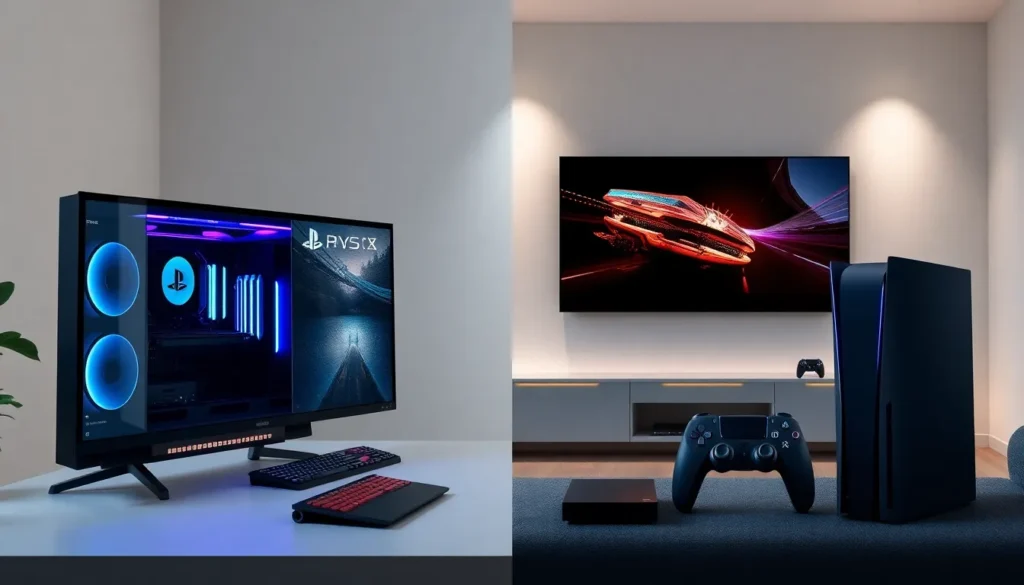
Getting started with VR gaming requires specific hardware. The options range from affordable standalone devices to high-end PC-connected systems.
Standalone VR Headsets
Standalone headsets contain all necessary computing hardware inside the device itself. The Meta Quest 3 represents the most popular option in this category. Players charge the headset, put it on, and start playing without any cables or external devices.
These systems offer convenience and portability. They cost between $300 and $500 and provide access to hundreds of VR gaming titles. The tradeoff is reduced graphical fidelity compared to PC-powered alternatives.
PC VR Systems
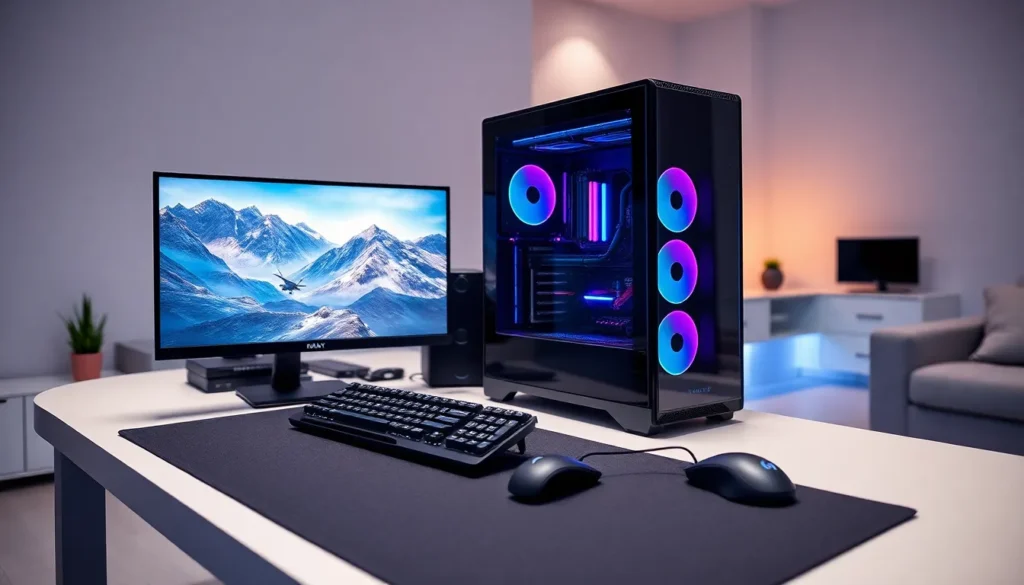
PC-connected headsets deliver the highest-quality VR gaming experiences. The Valve Index, HP Reverb G2, and various models from HTC require connection to a gaming computer.
These setups demand a powerful PC with a capable graphics card. The computer handles all processing while the headset provides display and tracking. Visual quality, frame rates, and game library options exceed what standalone devices can achieve.
PC VR systems typically cost $500 to $1,000 for the headset alone. The required computer adds another $1,000 or more to the total investment.
Console VR
Sony’s PlayStation VR2 offers VR gaming for PlayStation 5 owners. This system provides high-quality visuals and exclusive game titles. It requires a PS5 console and costs approximately $550 for the headset and controllers.
Controllers and Accessories
Most VR gaming systems include motion controllers. Some players add accessories like haptic vests, omnidirectional treadmills, or gun-shaped controller attachments. These enhance immersion but aren’t necessary for most experiences.
Types of VR Gaming Experiences
VR gaming encompasses many genres and styles. The technology enables experiences impossible on traditional screens.
Action and Shooter Games
First-person shooters feel dramatically different in VR. Players physically aim weapons, duck behind cover, and reload by mimicking real motions. Games like “Half-Life: Alyx” and “Pistol Whip” showcase what VR gaming can offer in this genre.
Rhythm and Music Games
“Beat Saber” became one of VR gaming’s biggest hits by combining music with physical sword-swinging gameplay. Players slash colored blocks in time with songs. This genre provides excellent exercise alongside entertainment.
Simulation and Exploration
Flight simulators and driving games gain tremendous value from VR. Players can look around cockpits naturally and judge distances accurately. Games like “Microsoft Flight Simulator” support VR for an authentic pilot experience.
Exploration titles let players visit impossible locations. They can walk through historical settings, explore alien planets, or shrink to microscopic scales.
Social VR
Platforms like “VRChat” and “Rec Room” create social spaces where players interact as avatars. Users can play mini-games, attend virtual events, or simply hang out with friends across the world. This represents a growing segment of VR gaming.
Horror Games
The immersive nature of VR makes horror games particularly intense. Being inside a scary environment rather than watching it through a screen amplifies every jump scare and creepy moment. Titles like “Resident Evil 4 VR” demonstrate this effect.
Benefits and Challenges of VR Gaming
VR gaming offers unique advantages but also presents specific challenges players should understand.
Benefits
Physical Activity: Many VR games require movement. Players burn calories while gaming, especially in rhythm games and active titles. Some people use VR gaming as part of their fitness routine.
Immersion: No other gaming format matches VR’s ability to place players inside game worlds. This creates memorable experiences and emotional connections to virtual environments.
Accessibility Options: VR gaming can benefit players with certain disabilities. Seated play modes and customizable controls accommodate various physical limitations.
Social Connection: VR social platforms allow meaningful interaction with people worldwide. The sense of presence makes conversations feel more personal than traditional voice chat.
Challenges
Motion Sickness: Some players experience nausea during VR gaming, especially with artificial locomotion. This affects newcomers most strongly but often decreases with repeated exposure.
Space Requirements: Room-scale VR gaming needs a clear play area. Players must have enough space to move without hitting furniture or walls.
Cost: Entry-level VR gaming costs several hundred dollars. High-end setups require significant investment in both headset and computer hardware.
Isolation: VR headsets block the user’s view of the real world. This can create safety concerns and separates players from others in the same physical space.
Content Library: While growing, the VR gaming library remains smaller than traditional platforms. Not every popular franchise has a VR version available.