




Table of Contents
ToggleThis VR gaming guide covers everything beginners need to jump into virtual reality. VR gaming has grown from a niche hobby into a mainstream phenomenon, with millions of players strapping on headsets every day. Whether someone wants to explore alien worlds, battle zombies, or just get a workout without leaving their living room, VR offers experiences flat screens simply can’t match.
The technology has come a long way. Today’s headsets are lighter, sharper, and more affordable than ever before. But getting started can feel overwhelming. Which headset should a newcomer buy? What accessories matter? Which games are worth the investment?
This guide answers those questions. It breaks down headset options, covers essential setup tips, highlights the best VR games of 2025, and shares practical advice for staying comfortable during long play sessions.
Key Takeaways
- Standalone headsets like the Meta Quest 3 offer the best entry point for beginners starting their VR gaming journey.
- VR gaming delivers unmatched immersion by placing players inside 3D environments with real-time head and hand tracking.
- Essential accessories like comfort straps, prescription lens inserts, and rechargeable batteries significantly improve long play sessions.
- Top VR games in 2025 include Half-Life: Alyx, Beat Saber, and Resident Evil 4 VR—each showcasing the medium’s unique strengths.
- Combat motion sickness by starting with stationary experiences and gradually working up to smooth locomotion over one to two weeks.
- Clear at least 6.5 by 6.5 feet of space, ensure proper lighting, and store your headset away from direct sunlight for the best setup.
What Is VR Gaming?
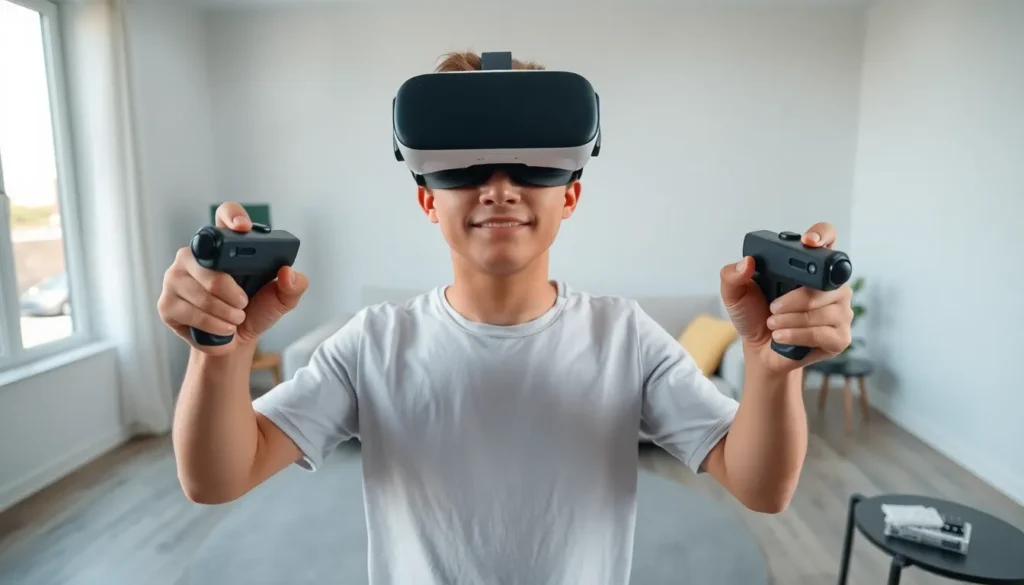
VR gaming places players inside a three-dimensional digital environment. Instead of watching action on a screen, users wear a headset that tracks their head movements and displays images that respond in real time. Look left, and the virtual world shifts left. Look up, and you see the sky.
Most VR systems also include motion controllers. These let players grab objects, swing weapons, and interact with the environment using their hands. Some advanced setups track full-body movement, but hand and head tracking form the foundation of most VR gaming experiences.
The immersion factor sets VR gaming apart from traditional gaming. A horror game becomes genuinely scary when a monster appears inches from your face. A racing sim feels more intense when you can turn your head to check your mirrors. This level of presence, the feeling of actually being somewhere else, is what draws millions of players to VR gaming each year.
VR gaming also offers unique gameplay possibilities. Puzzle games let players physically manipulate objects. Fitness titles turn exercise into an adventure. Social platforms allow people to hang out in virtual spaces with friends across the globe. The format opens doors that conventional gaming can’t.
Choosing the Right VR Headset
Picking the right headset is the most important decision in any VR gaming journey. The market offers options at every price point, from budget-friendly standalones to high-end PC-powered systems.
Standalone vs. PC-Tethered Headsets
Standalone headsets contain all their computing hardware inside the unit. They don’t need a PC, console, or phone to operate. The Meta Quest 3 leads this category in 2025, offering solid graphics, a large game library, and wireless freedom. Players can set up anywhere with enough space to move around.
The main trade-off? Processing power. Standalone headsets can’t match the visual fidelity of systems connected to a gaming PC.
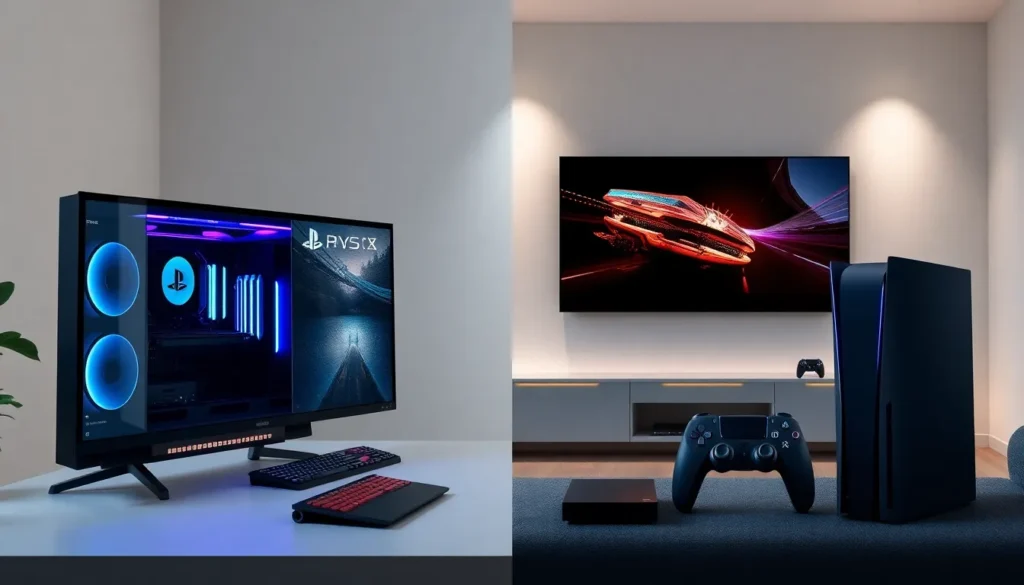
PC-tethered headsets plug into a powerful computer. Models like the Valve Index and various high-resolution options deliver sharper graphics, wider fields of view, and access to graphically demanding VR games. Sim racers and flight sim enthusiasts often prefer this route.
The downside is cost and complexity. A capable VR-ready PC costs $1,000 or more. Cables can also limit movement, though wireless adapters exist for some models.
Hybrid options split the difference. The Meta Quest 3 can connect to a PC via cable or wirelessly, giving users both standalone convenience and PC-powered visuals when desired.
For most beginners, a standalone headset offers the best entry point. The setup is simple, the price is reasonable, and the game selection covers most genres.
Essential Accessories and Setup Tips
A headset and controllers get players started, but a few accessories improve the VR gaming experience significantly.
Comfort upgrades matter most for longer sessions. Stock head straps work fine for short bursts, but aftermarket straps distribute weight better. Elite straps, halo-style straps, and padded alternatives reduce pressure on the face and forehead.
Prescription lens inserts help players who wear glasses. They snap into the headset and eliminate the need to squeeze glasses under the visor. This prevents scratches and improves comfort.
Rechargeable batteries for controllers save money over time. Most VR controllers eat through disposable batteries quickly.
A play space mat helps players feel their boundaries without looking. A round textured mat underfoot signals the center of the play area.
For setup, clear a space of at least 6.5 feet by 6.5 feet for room-scale VR gaming. Remove furniture with sharp corners. Make sure lighting is adequate, most headsets use cameras for tracking and struggle in very dark or very bright rooms.
Mount or place the headset away from direct sunlight when not in use. The lenses can focus sunlight and damage the internal display. A simple cover or storage case prevents this.
Best VR Games to Play in 2025
The VR gaming library has matured. These titles showcase what the medium does best.
Half-Life: Alyx remains the gold standard for VR adventure games. Valve built this from the ground up for VR, and the attention to detail shows. Players interact with nearly everything, and the story delivers.
Beat Saber combines rhythm gaming with lightsaber-slashing action. It’s easy to learn, hard to master, and doubles as a workout. Custom songs keep the community active years after launch.
Resident Evil 4 VR proves that classic games can shine in virtual reality. The over-the-shoulder shooter becomes a first-person survival horror experience that feels fresh even though being a remake.
Gorilla Tag offers simple multiplayer fun. Players move by swinging their arms like a gorilla. It sounds silly. It is silly. It’s also wildly popular and free to play.
Microsoft Flight Simulator in VR turns flight simulation into something extraordinary. Looking around an actual cockpit while flying over photorealistic terrain is a system seller for aviation fans.
Bonelab gives players a physics sandbox to experiment with. The VR gaming community loves its modding support and creative freedom.
Tips for a Comfortable VR Experience
VR gaming demands more from the body than traditional gaming. A few habits keep sessions enjoyable.
Start slow. Motion sickness affects many newcomers. Begin with stationary experiences or games with teleport movement. Gradually work up to smooth locomotion as the brain adjusts. This adaptation period typically lasts a few days to a couple of weeks.
Take breaks. The 20-20-20 rule helps: every 20 minutes, look at something 20 feet away for 20 seconds. Better yet, remove the headset entirely for a few minutes each hour.
Stay hydrated. Active VR games generate real sweat. Keep water nearby. Some players lose track of time and physical exertion while immersed.
Adjust the headset properly. A loose or poorly positioned headset causes eye strain and discomfort. The display should sit clearly in focus without pressing hard against the face. Most headsets include IPD (interpupillary distance) adjustment, set this to match the distance between your eyes.
Use a fan. A small fan pointed at the play area keeps players cool and provides a spatial reference point. The airflow helps the brain stay oriented.
Clean the lenses regularly. Microfiber cloths work best. Smudged lenses reduce clarity and cause eye fatigue over time.