


Table of Contents
ToggleLearning how to PC gaming doesn’t require a computer science degree. It does require some basic knowledge about hardware, software, and setup, but that’s exactly what this guide delivers.
PC gaming offers better graphics, more game choices, and the ability to customize your experience. Console gaming keeps things simple, but a gaming PC puts players in control. They pick the components, adjust settings, and decide exactly how their games look and run.
This guide covers everything beginners need to know. From understanding hardware requirements to choosing games and platforms, each section breaks down the process into clear, actionable steps. By the end, new players will have the confidence to start their PC gaming journey.
Key Takeaways
- PC gaming requires four core components: a CPU, GPU, RAM, and SSD storage working together for smooth performance.
- Building your own gaming PC can save 10-20% compared to pre-built systems while teaching valuable hardware skills.
- Steam is the largest PC gaming platform, offering over 50,000 games with regular sales and cloud save features.
- Start with medium or high graphics presets and aim for at least 60 FPS for smooth gameplay.
- Free-to-play games like Fortnite, Apex Legends, and Dota 2 let beginners learn PC gaming controls without spending money.
- Join communities on Reddit, Discord, and Twitch to get game recommendations and connect with other PC gamers.
Understanding PC Gaming Hardware Requirements
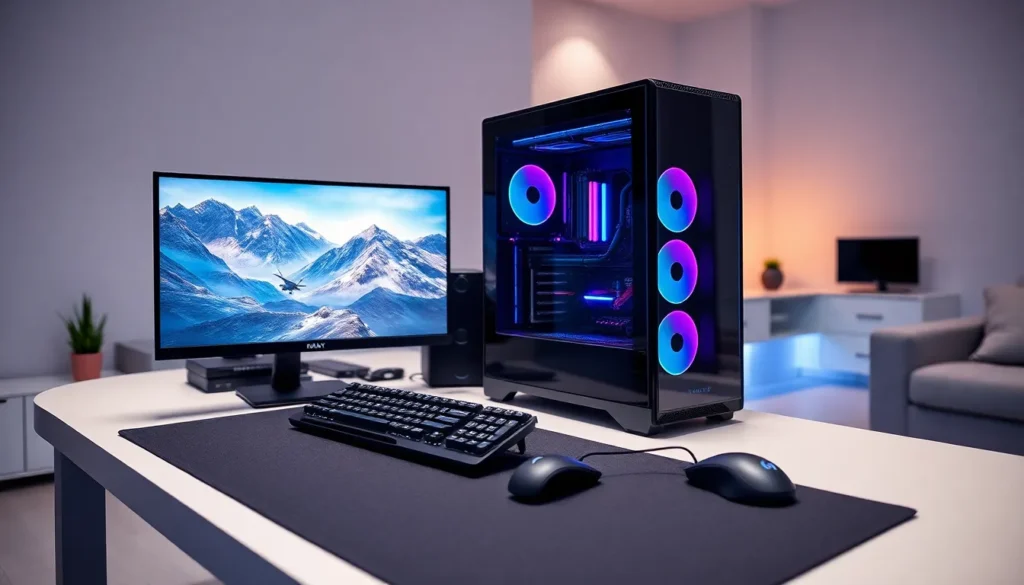
Every gaming PC needs four core components: a processor (CPU), graphics card (GPU), memory (RAM), and storage. These parts work together to run games smoothly.
The CPU handles game logic, AI behavior, and physics calculations. Intel Core i5 and AMD Ryzen 5 processors offer solid performance for most PC gaming needs. Higher-end options like the i7 or Ryzen 7 deliver better frame rates in demanding titles.
The GPU matters most for visual quality. It renders every frame players see on screen. NVIDIA GeForce RTX 4060 and AMD Radeon RX 7600 represent good mid-range choices for 1080p gaming. Players wanting 4K visuals should consider an RTX 4070 or higher.
RAM affects how many programs and game assets the system can hold in active memory. 16GB DDR5 RAM serves as the current sweet spot for PC gaming. Some newer titles recommend 32GB, but 16GB handles most games without issues.
Storage determines load times and how many games fit on the system. Solid-state drives (SSDs) load games significantly faster than traditional hard drives. A 1TB NVMe SSD provides enough space for a healthy game library while keeping load times short.
Monitor and Peripherals
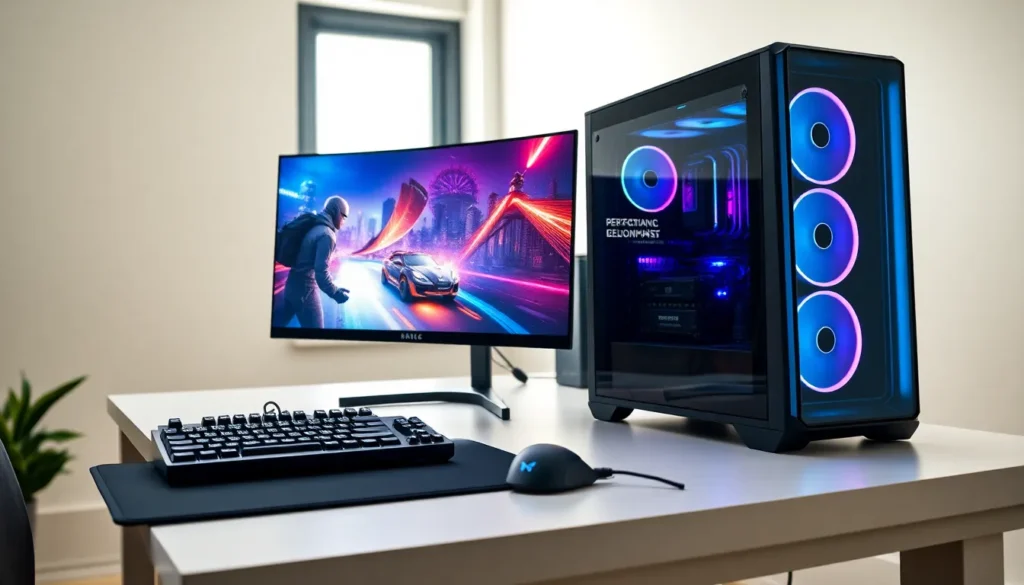
The display matters almost as much as the hardware inside the PC. A 1080p monitor with a 144Hz refresh rate offers smooth gameplay at an affordable price point. Players should match their monitor resolution to their GPU’s capabilities, a powerful graphics card paired with a weak monitor wastes potential.
Keyboard and mouse selection comes down to personal preference. Mechanical keyboards provide better tactile feedback for gaming. Gaming mice offer adjustable DPI settings and extra programmable buttons. Many players start with budget options and upgrade later based on their preferences.
Choosing Between Building and Buying a Gaming PC
New PC gaming enthusiasts face a fundamental choice: build a custom system or buy a pre-built machine. Both paths lead to the same destination, but they differ in cost, effort, and flexibility.
Building Your Own PC
Building offers several advantages. Buyers select each component individually, ensuring they get exactly what they want. Custom builds often cost 10-20% less than equivalent pre-built systems. The process also teaches valuable skills about how computers work.
The downsides? Building takes time and research. First-time builders might spend 3-4 hours on assembly. Troubleshooting problems falls entirely on the builder. No single warranty covers the whole system, each part has its own manufacturer warranty.
Online resources make building accessible to beginners. YouTube tutorials walk through every step. PC building communities like r/buildapc offer advice and build reviews. Sites like PCPartPicker check component compatibility automatically.
Buying Pre-Built Systems
Pre-built PCs arrive ready to play. They come with operating systems installed, warranties that cover everything, and customer support when problems arise. Major brands like HP, Dell, Lenovo, and specialized gaming companies like CyberPowerPC and iBUYPOWER offer various configurations.
Pre-builts cost more for equivalent specs. Some systems use lower-quality components that manufacturers don’t clearly advertise. Upgrading pre-builts can prove difficult if proprietary parts limit compatibility.
For players who want PC gaming without the technical learning curve, pre-built systems make sense. Those who enjoy tinkering and want maximum value should consider building.
Essential Software and Gaming Platforms
A gaming PC needs software before any games will run. The operating system, game platforms, and essential utilities form the foundation of the PC gaming experience.
Operating System
Windows 11 dominates PC gaming. Nearly every game releases for Windows first, and many never come to other operating systems. Windows 11 includes DirectX 12 Ultimate, which enables advanced graphics features in modern titles. Linux has grown as a gaming platform thanks to Steam’s Proton compatibility layer, but Windows remains the safest choice for beginners.
Game Distribution Platforms
Steam stands as the largest PC gaming platform. It hosts over 50,000 games, from AAA releases to indie titles. Steam sales happen regularly, with deep discounts during seasonal events. The platform includes cloud saves, achievement tracking, and social features.
Epic Games Store offers weekly free games and occasional exclusives. The platform takes a smaller cut from developers, which attracts some publishers. Its feature set trails Steam’s, but the free games make it worth installing.
GOG (Good Old Games) specializes in DRM-free games. Players own their purchases outright and can download installers to keep forever. GOG also sells classic games updated to run on modern systems.
EA App, Ubisoft Connect, and Xbox Game Pass provide access to those publishers’ libraries. Xbox Game Pass PC delivers excellent value, players access hundreds of games for a monthly subscription fee.
Essential Utilities
GPU drivers from NVIDIA or AMD optimize performance for new releases. Discord enables voice chat with friends during multiplayer sessions. Game launchers often require accounts, so password managers help track login credentials.
Setting Up Your First Gaming Experience
The hardware is ready. The software is installed. Now it’s time to actually play something.
Configuring Graphics Settings
Most games include a graphics settings menu. These options let players balance visual quality against performance. Start with the “medium” or “high” preset, then adjust based on results.
Key settings to understand:
- Resolution should match the monitor’s native resolution
- Frame rate limit caps how many frames the game renders per second
- V-Sync prevents screen tearing but can add input lag
- Anti-aliasing smooths jagged edges on objects
- Shadow quality often impacts performance more than visual improvement warrants
Players should monitor their frame rate while adjusting settings. Most prefer at least 60 frames per second for smooth gameplay. Competitive players often target 144+ FPS for faster response times.
Choosing First Games
New PC gaming players should start with games that highlight the platform’s strengths. Strategy games like Civilization VI or Age of Empires IV play best with mouse and keyboard. First-person shooters like Counter-Strike 2 showcase high refresh rate monitors. Open-world RPGs like The Witcher 3 or Baldur’s Gate 3 demonstrate what powerful hardware can render.
Free-to-play games offer risk-free starting points. Fortnite, Apex Legends, Dota 2, and League of Legends cost nothing to download and play. These titles help new players learn PC gaming controls without financial commitment.
Joining the Community
PC gaming thrives on community. Subreddits like r/pcgaming and r/patientgamers discuss new releases and classic recommendations. Discord servers exist for nearly every game. Twitch and YouTube streamers demonstrate gameplay and offer tips.