


Table of Contents
ToggleEsports strategies separate average players from champions. Whether competing in League of Legends, Counter-Strike, or Valorant, the difference between winning and losing often comes down to preparation, teamwork, and smart decision-making. Professional players don’t rely on reflexes alone. They study opponents, master communication, and build mental resilience that holds up under pressure.
This guide breaks down the core esports strategies that top competitors use to gain an edge. From foundational tactics to adapting mid-match, these principles apply across games and skill levels. Players who understand and apply these concepts consistently outperform those who rely purely on mechanical skill.
Key Takeaways
- Winning esports strategies combine map control, resource management, and clearly defined team roles to build consistent advantages.
- Clear, precise callouts and coordinated execution separate professional teams from amateur competitors.
- Adapting to opponents through VOD review and real-time behavior tracking is essential for countering predictable plays.
- Staying current with meta shifts and mastering multiple characters keeps players valuable as game patches change the competitive landscape.
- Mental preparation—including anxiety management, focus rituals, and tilt recovery—is a critical but often overlooked part of competitive success.
- Honest post-match self-assessment accelerates improvement faster than blaming teammates or external factors.
Understanding the Foundations of Esports Strategy
Every successful esports strategy starts with fundamentals. Players must understand their game’s mechanics, map layouts, and win conditions before developing advanced tactics. This foundation creates a framework for all other decisions.
Map Control and Positioning
Map awareness forms the backbone of competitive play. Professional teams invest hours learning sight lines, choke points, and rotation timings. In tactical shooters like CS2, controlling key areas of the map restricts enemy options and creates advantages. MOBA players focus on lane pressure and objective control to build economic leads.
Positioning affects every engagement. Smart players take fights where they hold advantages, whether through terrain, numbers, or information. Poor positioning turns winning situations into losses.
Resource Management
Esports strategies extend beyond combat. Managing in-game resources separates good teams from great ones. This includes economy in shooters (knowing when to save or force-buy), cooldown tracking in MOBAs, and ultimate management in hero-based games.
Teams that spend resources efficiently maintain pressure throughout matches. They avoid wasteful plays that put them behind. This discipline requires practice and conscious decision-making.
Role Clarity
Successful teams define clear roles for each player. Entry fraggers, support players, in-game leaders, each position carries specific responsibilities. When players understand their roles, they make faster decisions and reduce confusion during critical moments. Role clarity also helps teams identify weaknesses and recruit players who fill specific gaps.
Communication and Team Coordination
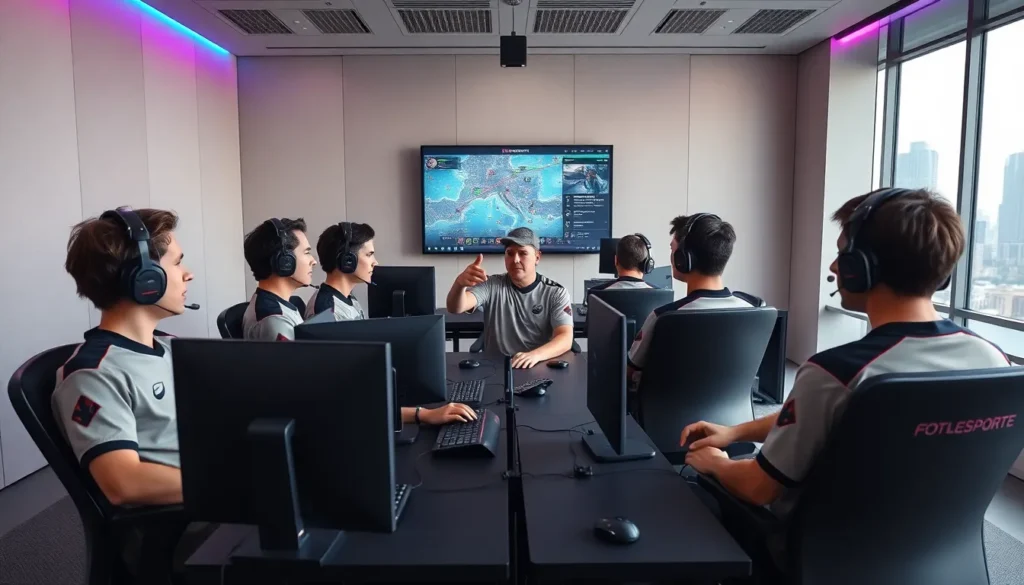
Individual skill matters, but team coordination wins tournaments. The best esports strategies rely on constant, clear communication between all five players.
Callouts and Information Sharing
Effective callouts are short, specific, and actionable. Instead of saying “he’s over there,” top players say “one AWP, mid window, low health.” This precision helps teammates respond quickly.
Teams develop standardized callout systems for locations, enemy positions, and intentions. New players often underestimate how much practice goes into communication. Pro teams spend hours in scrimmages specifically working on calls.
Coordinated Execution
Executing strategies requires precise timing. A site take in Valorant might involve smokes, flashes, and entries happening within a two-second window. One mistimed ability can ruin the entire play.
Teams practice set plays repeatedly until execution becomes automatic. This frees mental bandwidth for adapting to unexpected situations. The best esports strategies balance scripted plays with flexibility.
In-Game Leadership
Every team needs a shot-caller who makes decisions under pressure. This player reads the game, adjusts strategies mid-round, and keeps teammates focused. Good IGLs (in-game leaders) don’t just call plays, they manage emotions and maintain team morale during difficult moments.
Leadership styles vary. Some IGLs are democratic, gathering input before deciding. Others are authoritative, making quick calls that teammates follow without question. Both approaches work when the team buys in.
Adapting to Opponents and Meta Shifts
Static esports strategies fail against prepared opponents. Competitive players must adapt to enemy tendencies and broader game changes.
Opponent Research
Top teams study their opponents before matches. They watch VODs, analyze tendencies, and identify patterns. Does the enemy team favor aggressive early plays? Do they default to specific strategies on certain maps? This research informs counter-strategies.
During matches, players track opponent behavior in real-time. If an enemy AWPer always holds the same angle, teams exploit that predictability. Adaptation happens between rounds and even mid-engagement.
Reading and Countering Plays
Experienced players recognize setups and respond before plays fully develop. They might call out an incoming execute based on utility usage or rotate early based on timing tells. This game sense comes from thousands of hours of play and review.
Counter-strategies require preparation. Teams develop anti-strats for common tactics they expect to face. Having these responses ready prevents panic when opponents execute well-practiced plays.
Meta Awareness
Game patches shift the competitive landscape regularly. Esports strategies that dominated last month might become obsolete after balance changes. Professional players stay current with patches, test new approaches quickly, and adapt their champion or agent pools accordingly.
Flexibility matters. Players who master multiple characters or playstyles remain valuable even when their mains get nerfed. Teams that adapt quickly to meta shifts gain advantages over slower opponents.
Mental Preparation and Performance Under Pressure
Physical mechanics and strategic knowledge mean little if players crumble under pressure. Mental preparation forms a critical but often overlooked part of esports strategies.
Managing Competitive Anxiety
Stage fright affects even experienced professionals. Players develop routines to manage pre-match nerves, breathing exercises, visualization, or physical warm-ups. Finding what works requires experimentation.
During matches, anxiety manifests as rushed decisions or passive play. Teams address this through practice in high-pressure situations. Scrimmages against strong opponents, LAN experience, and tournament exposure all build mental resilience.
Maintaining Focus
Concentration fades during long matches and multi-day tournaments. Professional esports strategies include physical preparation: sleep schedules, nutrition, and exercise. Players who take care of their bodies perform better mentally.
In-game, players use reset rituals between rounds. A deep breath, a quick stretch, or a team affirmation can restore focus after difficult losses.
Handling Tilt and Setbacks
Every player tilts sometimes. The difference between amateurs and professionals lies in recovery speed. Strong competitors acknowledge frustration, then refocus on the next play.
Teams develop protocols for tilt situations. Timeouts, quick team huddles, or shifting communication styles can help reset mental states. Ignoring tilt often makes it worse.
Post-match review also matters. Players who analyze losses constructively improve faster than those who blame teammates or external factors. Honest self-assessment drives growth.