

Table of Contents
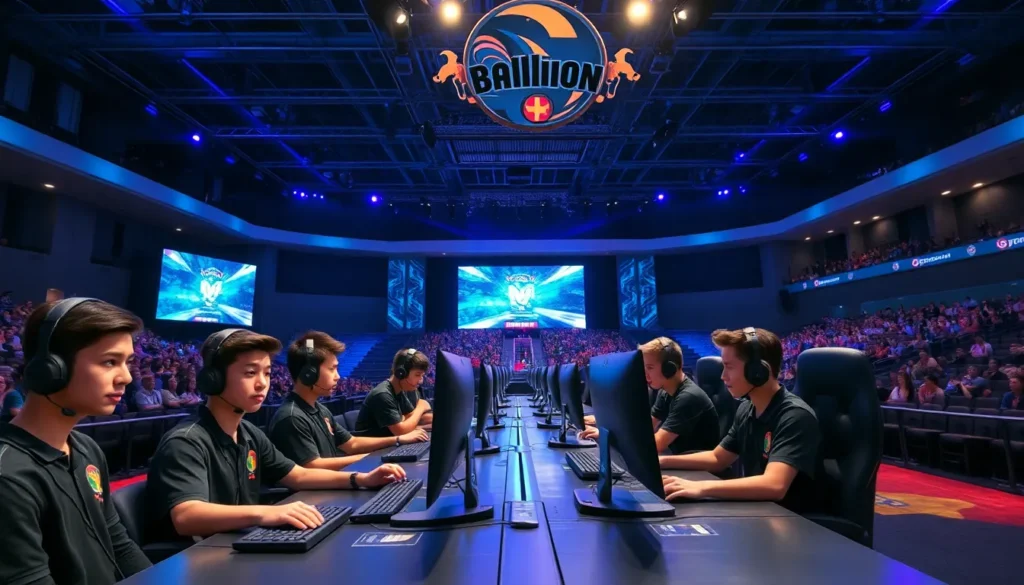
ToggleThis esports guide breaks down everything newcomers need to know about competitive gaming. Esports has grown from basement LAN parties into a billion-dollar industry with millions of fans worldwide. Professional players now earn salaries, sign sponsorship deals, and compete in arenas that rival traditional sports venues.
Whether someone wants to watch their first tournament or dreams of going pro, understanding the basics matters. This guide covers the major games, where to watch, and how to start a competitive gaming journey.
Key Takeaways
- Esports has grown into a $1.8 billion industry with career opportunities for players, coaches, analysts, and content creators.
- This esports guide covers major game genres including MOBAs, FPS, battle royales, fighting games, and sports simulations—start with games you already know.
- Watch esports for free on Twitch, YouTube Gaming, or in-game clients, with major events like The International and League of Legends Worlds drawing millions of viewers.
- Aspiring competitive gamers should focus on one game, study professional play, and maintain a consistent practice schedule.
- Join online communities through Discord or Reddit to find practice partners, mentors, and amateur tournaments that build competitive experience.
- Prioritize physical health—sleep, exercise, and proper nutrition directly impact reaction time, focus, and long-term performance.
What Is Esports and Why It Matters
Esports refers to organized, competitive video gaming. Teams and individuals compete in tournaments for prize money, recognition, and sponsorships. The format mirrors traditional sports, there are leagues, seasons, playoffs, and championship events.
The industry generated over $1.8 billion in revenue in 2024. Major tournaments like The International (Dota 2) and the League of Legends World Championship draw tens of millions of viewers. These numbers often surpass viewership for traditional sporting events.
Esports matters for several reasons. It creates career opportunities for players, coaches, analysts, broadcasters, and content creators. Universities now offer esports scholarships. Companies like Intel, Red Bull, and Mercedes-Benz invest heavily in sponsorships.
The cultural impact extends beyond gaming. Esports has influenced mainstream entertainment, fashion, and even music. Artists perform at major esports events. Fashion brands collaborate with professional teams. This esports guide recognizes that competitive gaming now sits firmly in mainstream culture.
Viewers connect with esports because they understand the games. Many fans play the same titles they watch. This creates a unique bond between audience and competition that traditional sports sometimes lack.
Popular Esports Games and Genres
Every esports guide should cover the main game categories. Each genre offers different viewing experiences and competitive formats.
MOBAs (Multiplayer Online Battle Arenas)
League of Legends and Dota 2 dominate this category. Two teams of five players battle to destroy the enemy base. Matches last 25-50 minutes and require strategic thinking, teamwork, and mechanical skill. League of Legends has the largest player base and most-watched professional league.
First-Person Shooters
Counter-Strike 2, Valorant, and Call of Duty lead the FPS esports scene. These games test aim, reflexes, and tactical coordination. Matches feature intense moments that translate well to spectator viewing. Counter-Strike has maintained competitive relevance for over two decades.
Battle Royales
Fortnite and Apex Legends bring the battle royale format to esports. Large numbers of players or teams drop into a map and fight until one remains. These tournaments create unpredictable, entertaining broadcasts.
Fighting Games
Street Fighter 6, Tekken 8, and Super Smash Bros. represent the fighting game community. One-on-one competition creates personal rivalries and dramatic storylines. The FGC (Fighting Game Community) has a passionate, dedicated fanbase.
Sports Simulations
FIFA (now EA Sports FC), NBA 2K, and Rocket League attract fans of traditional sports. Rocket League, soccer with rocket-powered cars, has carved out a unique competitive niche.
This esports guide recommends starting with games you already play or understand. Familiarity makes watching more enjoyable.
How to Get Started Watching Esports
Finding esports content has never been easier. Multiple platforms broadcast tournaments, and most content is free.
Twitch remains the primary destination for esports viewing. The platform hosts official tournament broadcasts, player streams, and community content. Creating a free account unlocks chat features and notifications for favorite channels.
YouTube Gaming offers live broadcasts and video-on-demand for past matches. Some leagues, like the Call of Duty League, stream exclusively on YouTube.
Game-specific clients sometimes include built-in viewing. Dota 2 lets fans watch matches inside the game client with interactive features.
For newcomers following this esports guide, here’s a simple approach:
- Pick one game that interests you
- Search for “[game name] esports schedule” to find upcoming events
- Watch a few matches without pressure to understand everything
- Follow a team or player to create emotional investment
- Join community discussions on Reddit or Discord
Major annual events worth watching include:
- The International (Dota 2) – August
- League of Legends World Championship – October/November
- EVO (Fighting Games) – July/August
- CS2 Majors – Various times throughout the year
Broadcasters explain strategies and highlight key moments. Production quality rivals traditional sports networks. Give yourself a few matches to adjust, the action makes sense quickly.
Tips for Aspiring Competitive Gamers
This esports guide wouldn’t be complete without advice for those who want to compete. Going pro requires dedication, but anyone can improve their competitive skills.
Choose one game and commit. Spreading time across multiple titles slows improvement. Pick the game you enjoy most and focus your energy there.
Study professional play. Watch how pros position, communicate, and make decisions. Analyze their strategies. Many players stream their practice sessions and explain their thinking.
Find a consistent practice schedule. Quality matters more than quantity. Three focused hours beat six distracted ones. Take breaks to prevent burnout and maintain mental sharpness.
Record and review your gameplay. Watching your own matches reveals mistakes you miss in the moment. Identify patterns in your losses and work specifically on those weaknesses.
Join online communities. Discord servers, subreddits, and forums connect players at every skill level. Finding practice partners and mentors accelerates growth. Many amateur leagues welcome newcomers.
Upgrade your setup gradually. A decent monitor, stable internet, and comfortable peripherals help. But skill development matters more than expensive gear. Don’t use equipment as an excuse.
Compete in amateur tournaments. Platforms like FACEIT, ESEA, and Battlefy host competitions for all skill levels. Tournament pressure teaches lessons that casual play cannot. This esports guide emphasizes that competitive experience builds mental strength.
Take care of your health. Pro gamers prioritize sleep, exercise, and nutrition. Physical health affects reaction time, focus, and decision-making. Stretching prevents repetitive strain injuries.