



Table of Contents
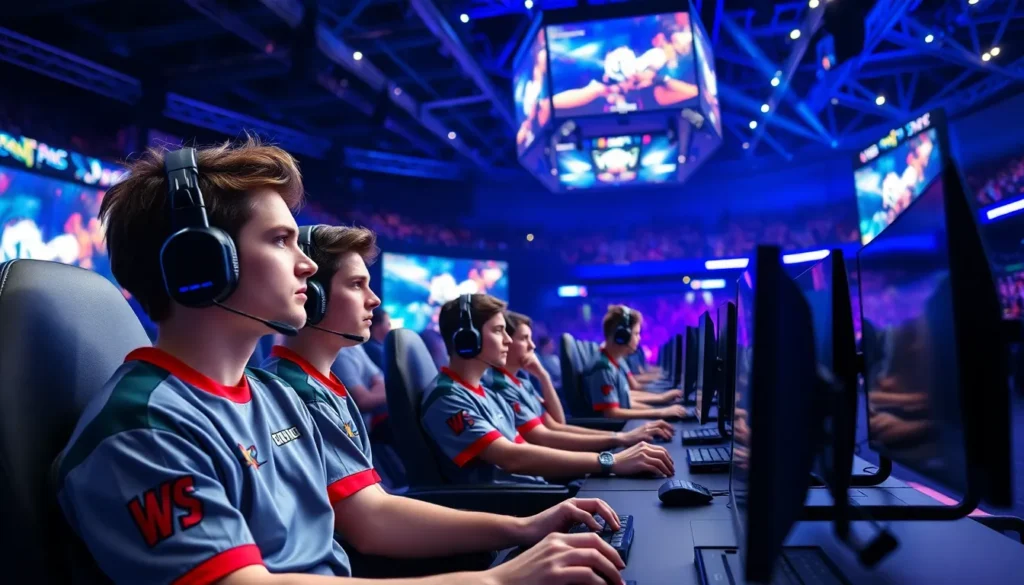
ToggleThe best esports in 2025 combine competitive gameplay, massive audiences, and prize pools that rival traditional sports. Whether someone wants to watch elite players battle for glory or jump into ranked matches themselves, this year offers incredible options. Esports has grown from basement LAN parties into a multi-billion-dollar industry. Games like League of Legends and Counter-Strike continue to dominate, while newer titles fight for their share of the spotlight. This guide covers the top esports games, major tournaments, and practical steps for anyone ready to compete.
Key Takeaways
- The best esports in 2025 include League of Legends, Counter-Strike 2, Valorant, Dota 2, Fortnite, and Rocket League—each offering deep gameplay and massive audiences.
- Major tournaments like the League of Legends World Championship and The International draw millions of viewers and offer prize pools rivaling traditional sports.
- To start competing in esports, pick one game, master the fundamentals, and use free resources like YouTube tutorials and Discord communities.
- Successful esports titles combine spectator clarity, developer support, and a balance of accessible entry with high skill ceilings.
- Physical and mental health are essential for long-term success—top esports athletes prioritize exercise, sleep, and proper posture.
- Recording and reviewing your gameplay is one of the most effective ways to identify mistakes and accelerate improvement.
Most Popular Esports Games Right Now
The best esports games share common traits: deep mechanics, spectator appeal, and active developer support. Here are the titles drawing the biggest crowds in 2025.
League of Legends remains the king of esports viewership. Riot Games’ MOBA consistently pulls millions of viewers during World Championship events. The game rewards team coordination, strategic thinking, and mechanical skill. Pro players earn substantial salaries, and the path from solo queue to professional play is well-established.
Counter-Strike 2 took over from CS:GO and maintained the franchise’s competitive legacy. The tactical shooter demands precision aiming, map knowledge, and split-second decision-making. Major tournaments regularly exceed one million concurrent viewers.
Valorant carved out its own space in the tactical shooter genre. Riot Games combined CS-style gunplay with unique agent abilities. The Valorant Champions Tour attracts top talent from around the globe, and the game’s popularity continues to climb.
Dota 2 offers the largest prize pools in esports history. The International has awarded over $40 million in a single tournament. The game’s complexity creates a high skill ceiling that rewards dedicated players.
Fortnite brings battle royale competition to massive audiences. Epic Games invests heavily in its competitive scene, and the game’s accessibility makes it popular among younger players and viewers.
Rocket League combines soccer with rocket-powered cars. The game is easy to understand but incredibly difficult to master. Its fast-paced matches make for exciting spectating.
Fighting games like Street Fighter 6 and Tekken 8 also maintain strong competitive scenes. These titles thrive at in-person events where crowd energy adds to the experience.
Top Esports Tournaments and Leagues
The best esports tournaments showcase elite competition and draw global audiences. These events define the competitive calendar.
League of Legends World Championship stands as the most-watched esports event annually. Teams from regions like Korea, China, Europe, and North America compete for the Summoner’s Cup. The 2024 finals drew over 5 million peak concurrent viewers.
The International (Dota 2) features the largest crowdfunded prize pool in esports. The tournament brings together the world’s best Dota 2 teams in a grueling competition that spans multiple weeks.
Valorant Champions crowns the best team in Riot’s tactical shooter each year. The tournament format builds through regional leagues before culminating in an international showdown.
CS2 Majors carry the prestige of Counter-Strike’s long competitive history. PGL, BLAST, and ESL host these premier events, where legendary players cement their legacies.
Fortnite Championship Series runs multiple times per year with substantial prize money. The competition attracts both established pros and emerging talent hoping to break through.
EVO serves as the Super Bowl of fighting games. Street Fighter, Tekken, and other titles draw players from every continent. The in-person atmosphere at EVO creates unforgettable moments.
Rocket League Championship Series has grown steadily since Psyonix and Epic Games expanded support. Teams compete across three splits before meeting at the World Championship.
These tournaments offer viewing experiences that rival traditional sports broadcasts. Production quality has improved dramatically, with analysis desks, player interviews, and cinematic storytelling.
How to Get Started in Esports
Anyone interested in the best esports can start competing today. The barrier to entry is lower than most people assume.
Pick one game and commit. Spreading attention across multiple titles slows improvement. Choose a game that excites you and focus your practice time there.
Study fundamentals before flashy plays. Professional players master basics like positioning, timing, and resource management. Highlight reels show spectacular moments, but consistent fundamentals win games.
Use training resources. YouTube tutorials, coaching platforms, and community guides offer free education. Many professional players share their knowledge through streams and videos.
Join online communities. Discord servers, Reddit communities, and forums connect players with practice partners and teams. Networking matters in esports just like any other field.
Play ranked modes seriously. Competitive matchmaking provides the best practice environment. Treat each match as an opportunity to improve, not just a chance to win.
Record and review gameplay. Watching replays reveals mistakes that go unnoticed in real-time. This habit separates improving players from those who plateau.
Consider local tournaments. Community events and online amateur leagues offer competition without requiring professional-level skill. These experiences build stage presence and competitive mindset.
Maintain physical and mental health. Top esports athletes exercise regularly and prioritize sleep. Extended gaming sessions with poor posture lead to injuries that end careers early.
The path from casual player to professional requires thousands of hours. But starting the journey is simple, download the game and begin.
What Makes an Esport Successful
The best esports share characteristics that separate them from games that fail to build lasting competitive scenes.
Spectator clarity matters enormously. Viewers need to understand what’s happening, even without playing the game. Clear visual language and intuitive game states help casual audiences follow the action.
Developer investment sustains competitive scenes long-term. Games need regular updates, balance patches, and official support for tournaments. When developers abandon competitive modes, scenes die quickly.
Skill expression creates memorable moments. The best esports reward exceptional individual performance while still requiring team coordination. This balance produces stars that fans follow across their careers.
Accessible entry with high skill ceiling attracts both casual and competitive players. Games that are easy to learn but difficult to master build the largest playerbases.
Stable competitive formats allow storylines to develop. Leagues with consistent schedules help fans form attachments to teams and players. Frequent format changes disrupt these connections.
Regional competition builds international rivalries. The best esports feature strong scenes in multiple regions. Korea versus Europe or China versus North America narratives drive viewer interest.
Prize money and career viability attract talented players. When competitors can earn sustainable income, they commit fully to improvement. Underfunded scenes struggle to retain top talent.
Community passion underlies everything else. Games with dedicated fanbases survive developer mistakes and industry shifts. This enthusiasm can’t be manufactured, it grows organically around genuinely great games.