


Table of Contents
ToggleWhat is esports? The term refers to organized, competitive video gaming where professional players compete for prizes, recognition, and global audiences. Esports has grown from small LAN parties in the 1990s to a multi-billion-dollar industry with millions of fans worldwide. Major tournaments now fill stadiums, stream to tens of millions of viewers, and offer prize pools that rival traditional sports. This guide covers everything readers need to know about esports, from its definition and history to the games, competitions, and economic impact shaping competitive gaming today.
Key Takeaways
- Esports refers to organized, competitive video gaming where professional players compete for prizes, recognition, and global audiences.
- Global esports viewership exceeded 580 million people in 2024, with industry revenue reaching approximately $1.8 billion.
- Popular esports genres include MOBAs (League of Legends, Dota 2), FPS games (Counter-Strike 2, Valorant), battle royales, fighting games, and sports simulations.
- Professional esports teams employ coaches, analysts, managers, and support staff—similar to traditional sports organizations.
- Esports creates diverse career opportunities beyond playing, including broadcasting, content creation, marketing, and sports psychology.
- Over 200 U.S. colleges now offer esports scholarships, reflecting the industry’s growing cultural and educational impact.
The Definition and Rise of Esports
Esports, short for electronic sports, describes organized video game competitions between professional players or teams. These events follow structured rules, feature official leagues, and attract sponsorships similar to traditional athletic sports.
The roots of esports trace back to the 1972 “Intergalactic Spacewar Olympics” at Stanford University. But, modern esports began taking shape in the late 1990s with games like StarCraft and Quake. South Korea played a pivotal role during this era, establishing dedicated esports TV channels and professional leagues that set the standard for competitive gaming infrastructure.
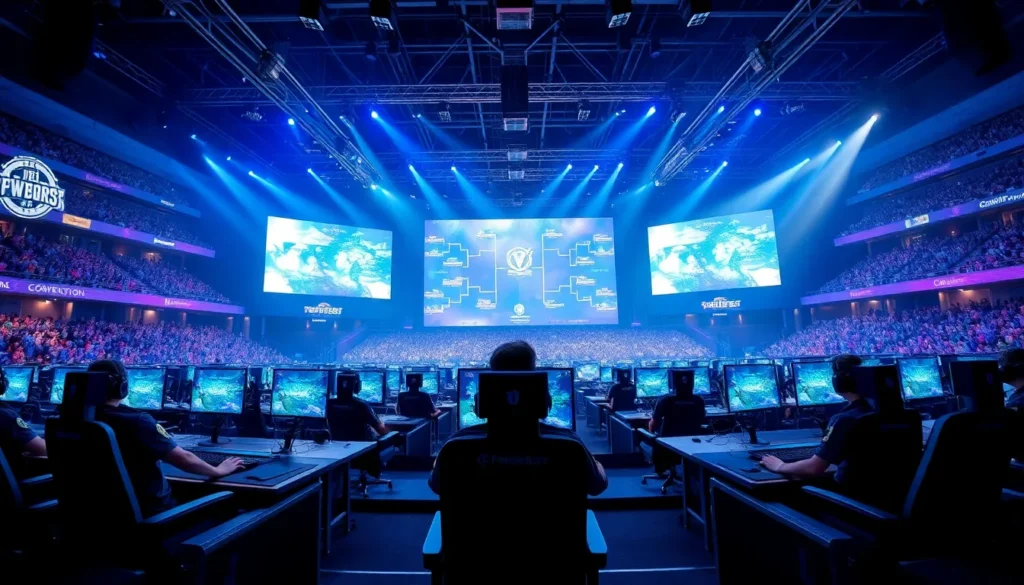
The 2010s marked explosive growth for esports. Streaming platforms like Twitch gave fans direct access to tournaments and player content. Games like League of Legends and Dota 2 introduced massive prize pools, The International 2024 offered over $2.8 million to competitors. By 2024, global esports viewership exceeded 580 million people.
Several factors drove this rise. Improved internet speeds enabled online competition. Game developers invested in competitive modes and spectator tools. Social media created communities around teams and players. And younger generations embraced gaming as both entertainment and sport.
Esports now enjoys recognition from mainstream media, universities offering scholarships, and even discussions about Olympic inclusion. What started as informal gaming gatherings has become a legitimate professional career path for talented players worldwide.
Popular Esports Games and Genres
Esports spans multiple game genres, each with distinct playstyles and competitive scenes. Understanding these categories helps explain why esports attracts such diverse audiences.
Multiplayer Online Battle Arena (MOBA)
MOBA games dominate esports viewership. League of Legends leads this category, with its World Championship regularly drawing over 100 million viewers. Dota 2 follows closely, known for its massive prize pools and complex strategic depth. Both games feature two teams of five players battling to destroy the opposing team’s base.
First-Person Shooters (FPS)
FPS games emphasize reflexes, aim, and tactical coordination. Counter-Strike 2 remains the flagship esports shooter, with a professional scene spanning two decades. Valorant, released in 2020, quickly established itself as a major competitor with its blend of gunplay and character abilities. Call of Duty also maintains a strong esports presence with its franchised league.
Battle Royale
Battle royale games drop large player counts into shrinking maps where only one individual or team survives. Fortnite brought this genre to mainstream esports attention with its $30 million World Cup in 2019. Apex Legends has built a consistent competitive circuit with regular tournaments.
Fighting Games
The fighting game community (FGC) represents one of esports’ oldest scenes. Street Fighter, Tekken, and Super Smash Bros. host major annual tournaments like EVO, which attracts thousands of competitors. These games emphasize one-on-one skill and quick decision-making.
Sports Simulations
Traditional sports organizations have embraced esports through games like FIFA (now EA Sports FC), NBA 2K, and Madden NFL. These titles bridge the gap between conventional sports fans and competitive gaming audiences.
How Professional Esports Competitions Work
Professional esports competitions follow organized structures that mirror traditional sports leagues. Understanding these formats reveals how players climb from amateur status to professional stardom.
League and Tournament Formats
Most major esports operate through seasonal leagues. Teams compete in regular matches over weeks or months, earning points that determine playoff seeding. League of Legends uses regional leagues across North America, Europe, Korea, China, and other regions. These feed into international tournaments like the Mid-Season Invitational and World Championship.
Some esports favor open tournament circuits instead. Counter-Strike 2 features multiple tournament organizers hosting events throughout the year, culminating in Major championships. This structure allows more teams to compete at various skill levels.
Player Roles and Team Structure
Professional esports teams employ more than just players. A typical organization includes coaches who develop strategies, analysts who study opponents, managers who handle logistics, and support staff for player wellness. Top teams invest millions in facilities, training programs, and player salaries.
Players often specialize in specific roles within their games. A League of Legends team needs players for top lane, jungle, mid lane, bot lane, and support positions. Each role requires different skills and game knowledge.
Path to Professional Play
Aspiring esports professionals typically start in ranked online play, climbing leaderboards to gain visibility. Many games feature amateur leagues or academy systems where promising players develop. Scouts from professional organizations identify talent through performance and streams. Some players spend years in semi-professional circuits before earning spots on major teams.
The lifestyle demands significant commitment. Professional players practice 8-12 hours daily, review gameplay footage, and maintain physical health to sustain peak performance during high-pressure matches.
The Global Esports Industry and Its Impact
The esports industry generates substantial economic activity and cultural influence across the globe. Its reach extends far beyond gaming into media, education, and technology sectors.
Revenue and Business Model
Global esports revenue reached approximately $1.8 billion in 2024. This money flows from multiple sources: sponsorships from brands like Red Bull, Intel, and Mercedes-Benz: media rights sold to streaming platforms and broadcasters: merchandise sales: ticket revenue from live events: and in-game purchases tied to competitive content.
Franchised leagues have attracted traditional sports investors. The Overwatch League and Call of Duty League sold team slots for $20-60 million each. NBA, NFL, and soccer club owners now hold stakes in esports organizations.
Regional Powerhouses
Different regions dominate specific games. South Korea produces many top players in League of Legends and StarCraft. China leads in mobile esports and has strong MOBA scenes. North America and Europe compete across most major titles. Brazil has emerged as a Counter-Strike powerhouse with passionate fan bases.
Career Opportunities
Esports creates jobs beyond professional play. Broadcasters, commentators, and analysts cover events. Production teams manage streams and live shows. Marketing professionals build brand partnerships. Coaches, sports psychologists, and nutritionists support player performance. Content creators build careers around esports entertainment.
Cultural and Educational Impact
Over 200 U.S. colleges now offer esports scholarships. High schools have formed competitive gaming leagues. Universities study esports as a cultural phenomenon and business model. The industry has also pushed conversations about mental health, work-life balance, and sustainable careers in gaming.
Esports continues to grow as technology improves and gaming becomes more accessible worldwide. Mobile esports has opened doors in regions where PC and console gaming remain less common.