



Table of Contents
ToggleVR gaming trends 2026 point toward a transformative year for virtual reality enthusiasts. The industry has matured beyond early adopter territory, and major players are pushing hardware, software, and social features to new heights. Headsets are getting lighter. Graphics are getting sharper. And the experiences? They’re becoming genuinely immersive in ways that felt like science fiction just a few years ago.
This article breaks down the key VR gaming trends 2026 has in store. From next-gen displays to AI-powered worlds, fitness-focused titles, and the growing push for cross-platform play, the year ahead promises significant shifts. Whether someone is a seasoned VR player or considering their first headset, these developments will shape how everyone interacts with virtual worlds.
Key Takeaways
- VR gaming trends 2026 highlight lighter headsets with micro-OLED displays, improved tracking, and Wi-Fi 7 support for wireless PC streaming.
- Social and multiplayer VR experiences are expanding with larger persistent worlds, advanced avatar customization, and spatial audio for natural conversations.
- AI integration is transforming VR gaming with smarter NPCs that hold real conversations, procedural content generation, and adaptive difficulty systems.
- Fitness and wellness VR gaming is accelerating with diverse workout genres, accurate tracking metrics, and multiplayer fitness challenges.
- Mixed reality games that blend virtual elements with real-world environments represent a major shift in how players interact with VR.
- Cross-platform play and cloud gaming services are making VR gaming more accessible regardless of hardware choices.
Advancements in Hardware and Display Technology
Hardware improvements sit at the core of VR gaming trends 2026. Manufacturers are racing to deliver lighter headsets with better resolution and wider fields of view. The goal is simple: make players forget they’re wearing anything at all.
Several companies have announced headsets featuring micro-OLED and micro-LED displays. These panels offer deeper blacks, faster refresh rates, and reduced motion blur compared to traditional LCD screens. Players will notice the difference immediately, text appears crisper, environments feel more lifelike, and eye strain decreases during longer sessions.
Weight reduction remains a priority. Current standalone headsets hover around 500 grams, but 2026 models aim for 350–400 grams without sacrificing battery life. Pancake lenses, which flatten the optical path, help shrink headset profiles while maintaining image quality.
Tracking technology is also evolving. Inside-out tracking continues to improve, with better hand and finger recognition. Some manufacturers are experimenting with leg tracking via external sensors, opening possibilities for full-body movement in games.
Wireless performance is another area seeing gains. Wi-Fi 7 support will enable smoother PC VR streaming with minimal latency. This means players can enjoy high-fidelity graphics from their gaming rigs without being tethered by cables.
These hardware advances collectively push VR gaming trends 2026 toward a more comfortable, visually stunning experience.
The Rise of Social and Multiplayer VR Experiences
Social interaction is becoming central to VR gaming trends 2026. Players want more than solo adventures, they want shared moments with friends and strangers alike.
Multiplayer VR games have grown steadily, but 2026 looks to be a breakout year. Developers are building larger persistent worlds where dozens or even hundreds of players can occupy the same space. These aren’t just lobby systems: they’re living environments with economies, events, and emergent gameplay.
Social VR platforms continue expanding their gaming features. Spaces that started as chat rooms now host mini-games, competitive events, and collaborative building projects. The line between “game” and “social platform” is blurring fast.
Avatar customization has become surprisingly sophisticated. Players can scan their faces to create realistic digital versions of themselves or design completely fantastical characters. Body language and facial expression tracking add emotional depth to interactions that text chat simply can’t match.
Voice chat improvements also matter. Spatial audio, where sounds come from specific directions, makes conversations feel natural. If a friend stands to your left in VR, their voice comes from your left. This small detail dramatically increases presence.
Developers are also addressing safety concerns. Better moderation tools, personal space boundaries, and reporting systems help create healthier communities. As VR gaming trends 2026 bring more people into virtual spaces, these protections become essential.
AI Integration and Procedural Content Generation
Artificial intelligence is reshaping VR gaming trends 2026 in fascinating ways. Developers are using AI to create smarter NPCs, dynamic environments, and personalized experiences.
Non-player characters are getting upgrades. Instead of repeating scripted lines, AI-driven NPCs can hold actual conversations. They remember past interactions, respond to player behavior, and adapt their personalities over time. A shopkeeper might recognize a returning customer and offer a discount. An enemy might taunt the player based on previous defeats.
Procedural content generation is expanding what’s possible in VR worlds. AI systems can create unique dungeons, quests, or entire landscapes on the fly. This means players encounter fresh content each session rather than memorizing fixed layouts. For VR gaming trends 2026, this approach extends replay value significantly.
Some studios are experimenting with AI-generated voice acting and music. While human performers aren’t disappearing, AI can fill gaps, creating unique ambient dialogue for background characters or generating adaptive soundtracks that respond to player actions.
Training and difficulty adjustment benefit from AI too. Games can analyze player skill and modify challenges in real time. Struggling with a boss fight? The game might subtly adjust patterns without announcing it. This keeps VR gaming accessible without removing challenge for skilled players.
These AI applications represent some of the most exciting VR gaming trends 2026 will deliver.
Fitness and Wellness Gaming Growth
Fitness games have carved out a significant niche, and VR gaming trends 2026 show this category accelerating. People discovered that punching virtual targets beats staring at gym walls.
Rhythm-based fitness titles remain popular, but the genre is diversifying. Boxing simulations, dance games, and full-body workout experiences now compete for attention. Some games incorporate strength training elements using controller weight or resistance bands.
Tracking accuracy improvements make fitness gaming more effective. Better calorie estimates, form correction, and performance metrics give players data they can actually use. Some apps sync with health platforms to log VR workouts alongside traditional exercise.
Multiplayer fitness is growing too. Competing against friends in workout challenges adds motivation that solo sessions lack. Leaderboards, group classes, and cooperative fitness quests turn exercise into social events.
Mental wellness applications are expanding within VR gaming trends 2026. Meditation apps, stress-relief experiences, and therapeutic games offer alternatives to high-intensity action. Some developers partner with mental health professionals to create evidence-based relaxation tools.
Corporate wellness programs are starting to include VR fitness options. This institutional adoption could push the category further into mainstream acceptance during 2026.
Mixed Reality and Cross-Platform Play
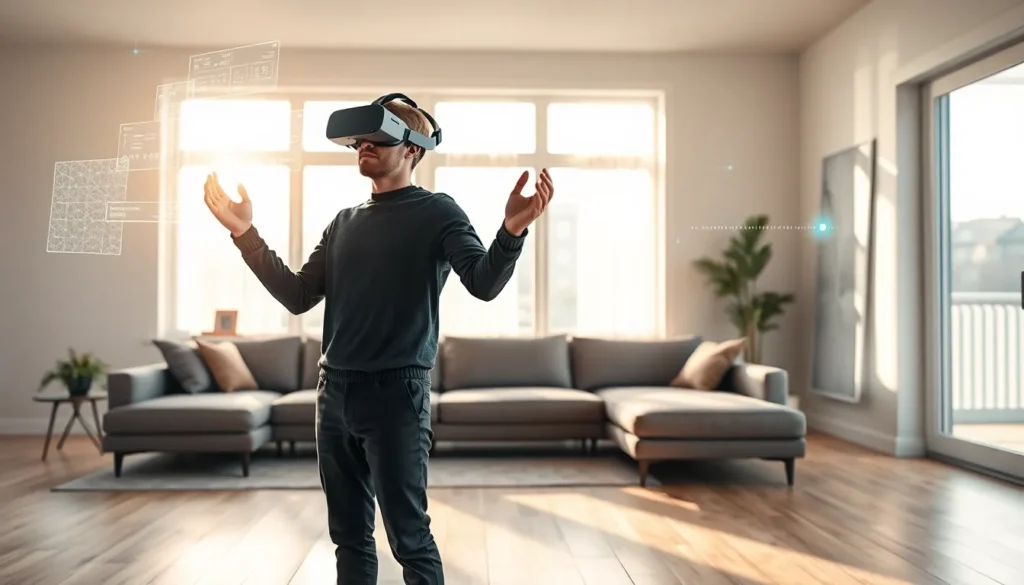
Mixed reality, blending virtual elements with real-world surroundings, stands out among VR gaming trends 2026. Passthrough cameras on headsets have improved dramatically, enabling games that interact with players’ actual environments.
Imagine virtual creatures hiding behind your couch or puzzle pieces scattered across your living room floor. Mixed reality games use spatial mapping to understand room layouts and incorporate furniture into gameplay. This creates experiences that feel more personal and immediate than fully virtual worlds.
Cross-platform play is becoming standard rather than exceptional. Players on different headset brands can often join the same games and social spaces. This interoperability benefits everyone, larger player pools mean shorter matchmaking times and more vibrant communities.
Some developers are bridging VR and traditional gaming platforms. A player in VR might compete against someone using a standard controller on PC or console. Balancing these different input methods presents design challenges, but successful implementations expand audience reach.
Cloud gaming services are entering VR as well. Streaming high-end graphics to standalone headsets could democratize access to demanding titles. Players wouldn’t need expensive gaming PCs, just a decent internet connection.
These VR gaming trends 2026 point toward a more connected, flexible ecosystem where hardware choices matter less than the experiences themselves.