

Table of Contents
ToggleEsports tips can transform a casual player into a competitive force. The gap between average gamers and professional players often comes down to habits, mindset, and strategy, not just raw talent. Whether someone dreams of climbing ranked ladders or competing in tournaments, the path to improvement follows proven principles.
Competitive gaming rewards dedication. Top players don’t stumble into success. They build skills through deliberate practice, smart routines, and constant learning. This guide breaks down the essential esports tips that separate elite players from the rest. From mastering specific games to optimizing health and teamwork, these strategies apply across titles and skill levels.
Key Takeaways
- Focus on mastering one game rather than spreading your attention across multiple titles to accelerate skill development.
- Deliberate practice targeting specific weaknesses beats endless ranked grinding—use aim trainers, VOD reviews, and structured sessions.
- Invest in proper hardware like a 144Hz monitor and wired internet connection to eliminate performance barriers.
- Prioritize sleep, hydration, and regular exercise since physical health directly impacts reaction time and decision-making.
- Master team communication by using clear callouts and staying positive to avoid tilting teammates during matches.
- Study professional players and review your own gameplay footage to identify mistakes and accelerate improvement with proven esports tips.
Master Your Game of Choice
The first rule among esports tips? Pick one game and commit to it. Spreading attention across multiple titles dilutes progress. Every competitive game has deep mechanics, matchups, and meta strategies that take hundreds of hours to learn.
Players should choose a game they genuinely enjoy. Passion sustains the grind when improvement feels slow. Someone who loves tactical shooters will naturally spend more quality time in Valorant or CS2 than forcing themselves through a fighting game they find frustrating.
Once a game is chosen, dig into its fundamentals:
- Learn core mechanics first. In shooters, this means crosshair placement and movement. In MOBAs, it’s last-hitting and map awareness. In fighting games, it’s combo execution and frame data.
- Study the meta. Understand which characters, weapons, or strategies currently dominate high-level play. Meta knowledge helps players make smarter decisions.
- Focus on one role or character initially. Specialization builds deeper understanding faster than trying to master everything at once.
Mastery takes time. Pro players often have 5,000+ hours in their main game. The goal isn’t overnight success, it’s steady, measurable improvement week over week.
Develop Effective Practice Habits
Raw playtime isn’t enough. How someone practices matters more than how long they practice. This esports tip separates plateaued players from those who keep climbing.
Deliberate practice targets specific weaknesses. Instead of grinding ranked matches endlessly, players should identify their biggest flaws and drill them. Bad aim? Spend 20 minutes daily in aim trainers. Poor decision-making? Review VODs and pinpoint mistakes.
Structure practice sessions with clear goals:
- Warm-up routines: 10-15 minutes of mechanical drills before competitive play keeps reflexes sharp.
- Focused skill work: Dedicate blocks of time to weak areas. This feels less fun than playing matches, but it accelerates growth.
- Competitive play: Apply practiced skills in real games. Track results to measure progress.
- Cool-down review: Spend 10 minutes after sessions noting what went well and what needs work.
Consistency beats intensity. Playing 2 hours daily with focus produces better results than 8-hour weekend binges. The brain needs rest to consolidate new skills. Quality practice, adequate sleep, and regular schedules form the foundation of improvement.
Many pros follow strict training regimens. They treat practice like a job, because for them, it is.
Optimize Your Gaming Setup and Health
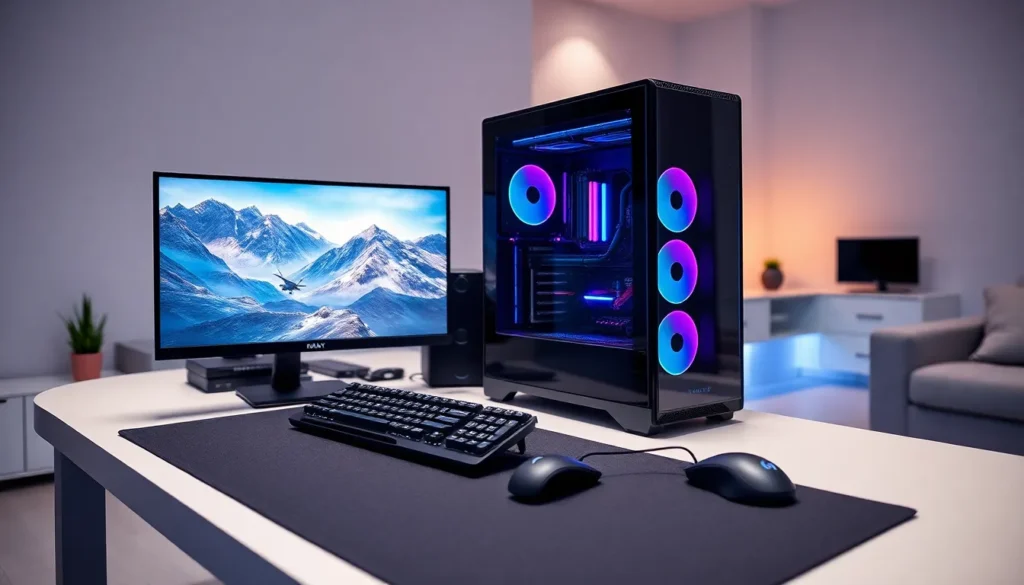
Physical factors directly impact competitive performance. No amount of esports tips will help someone playing on a laggy monitor with a broken mouse. Hardware matters.
Essential setup upgrades include:
- High refresh rate monitor: 144Hz minimum. The difference between 60Hz and 144Hz is immediately noticeable in fast-paced games.
- Low-latency peripherals: A responsive mouse and mechanical keyboard reduce input delay.
- Stable internet connection: Wired ethernet beats WiFi for consistency. High ping and packet loss cost games.
- Comfortable chair and desk height: Poor ergonomics cause fatigue and injury over time.
Health often gets overlooked in esports tips discussions, but it’s critical. The body and mind connect. Tired, stressed, or physically uncomfortable players perform worse.
Prioritize these habits:
- Sleep 7-9 hours nightly. Reaction time and decision-making suffer without adequate rest.
- Take regular breaks. The 20-20-20 rule helps: every 20 minutes, look at something 20 feet away for 20 seconds.
- Stay hydrated and eat well. Blood sugar crashes tank focus.
- Exercise regularly. Physical activity improves cognitive function and reduces gaming-related strain injuries.
Professional esports organizations now employ nutritionists, trainers, and sports psychologists. That’s not coincidence, it’s recognition that peak gaming requires peak health.
Build Communication and Teamwork Skills
Most esports titles are team games. Individual skill only goes so far. The best esports tips for team play center on communication and synergy.
Effective callouts win rounds. Players should learn their game’s standard terminology and map callouts. Clear, concise information helps teammates react faster. “Two players pushing A short” beats “They’re over there somewhere.”
Communication guidelines for competitive teams:
- Keep comms clean during action. Save lengthy discussions for between rounds or matches.
- Call out enemy positions, abilities used, and your own intentions. Information sharing creates advantages.
- Stay positive. Tilting teammates with criticism mid-game hurts performance. Save feedback for post-match reviews.
- Develop set plays and strategies. Coordinated execution beats five individuals making separate decisions.
Teamwork extends beyond in-game communication. Finding consistent teammates who share similar goals accelerates improvement. Solo queue teaches individual skills, but team play teaches coordination.
Players looking to go pro should join amateur teams early. Learning to mesh with others, handle team dynamics, and execute coordinated strategies takes practice, just like mechanical skills.
Learn From the Pros and Analyze Your Gameplay
Professional players provide free education. Watching pro streams, tournament VODs, and educational content offers insights that would take years to discover independently. This esports tip alone can dramatically speed up improvement.
When watching pros, focus on:
- Positioning and movement patterns. Where do they stand? How do they rotate?
- Decision-making in key moments. Why did they take that fight? Why did they retreat?
- Settings and configurations. Many pros share their sensitivity, keybinds, and crosshair settings.
Self-review matters equally. Recording gameplay and watching it back reveals mistakes invisible in the moment. The heat of competition blinds players to their own errors.
Effective VOD review asks specific questions:
- What got me killed in that fight?
- Did I use my abilities optimally?
- Where was my positioning weak?
- What information did I miss?
Players should review losses and wins. Wins sometimes hide bad habits that luck covered up. Losses reveal obvious weaknesses to address.
Many coaching resources exist for popular esports titles. Professional coaches, educational YouTube channels, and community guides offer structured paths to improvement. Players serious about competitive gaming should use every available resource.