


Table of Contents
ToggleEsports ideas are transforming how players, fans, and entrepreneurs engage with competitive gaming. The industry generated over $1.8 billion in revenue in 2024, and that number keeps climbing. Whether someone wants to compete, create content, or launch a business, the opportunities have never been more accessible.
This article covers practical esports ideas for different goals and skill levels. From organizing local tournaments to building streaming careers, these concepts offer real paths into the gaming scene. Each idea balances creativity with actionable steps that readers can start implementing today.
Key Takeaways
- Esports ideas range from hosting community tournaments and building teams to launching content creation careers and business ventures.
- Online tournament platforms like Battlefy and Start.gg make organizing your first esports event accessible with minimal budget.
- Building an esports team requires clear structure, compatible teammates, and consistent practice before pursuing sponsorships.
- Content creators succeed by finding a unique niche—whether educational, entertainment-focused, or competitive coverage—and posting consistently.
- Coaching services, gaming centers, and event production offer profitable esports business opportunities for entrepreneurs.
- Start small and scale gradually; weekly meetups can grow into regional championships, and volunteer work often leads to paid esports careers.
Hosting Community Tournaments and Local Events
Community tournaments represent one of the most accessible esports ideas for anyone looking to make an impact. These events bring players together, build local gaming scenes, and create memorable experiences without requiring massive budgets.
Starting Small with Online Tournaments
Online tournaments work well for beginners. Platforms like Battlefy, Toornament, and Start.gg handle registration, brackets, and scheduling automatically. Organizers can launch their first event with just a Discord server and a free tournament platform.
Popular games for community tournaments include:
- Super Smash Bros. Ultimate – Strong grassroots community
- Valorant – Growing competitive scene with accessible ranked play
- Rocket League – Easy to watch and understand for new viewers
- Street Fighter 6 – Renewed interest in fighting game tournaments
Moving to In-Person Events
Local gaming events require more planning but deliver stronger community bonds. Libraries, community centers, and gaming cafes often provide space at low or no cost. Some organizers partner with local businesses for sponsorships, covering prize pools and equipment.
A successful local event needs:
- Reliable internet connection (backup options help)
- Enough monitors, consoles, or PCs for participants
- Clear rules and bracket structures
- Staff or volunteers for setup and problem-solving
These esports ideas scale naturally. Small weekly meetups can grow into monthly tournaments, then annual regional championships. The key is consistency, players return when they know events happen regularly.
Building an Esports Team or Organization
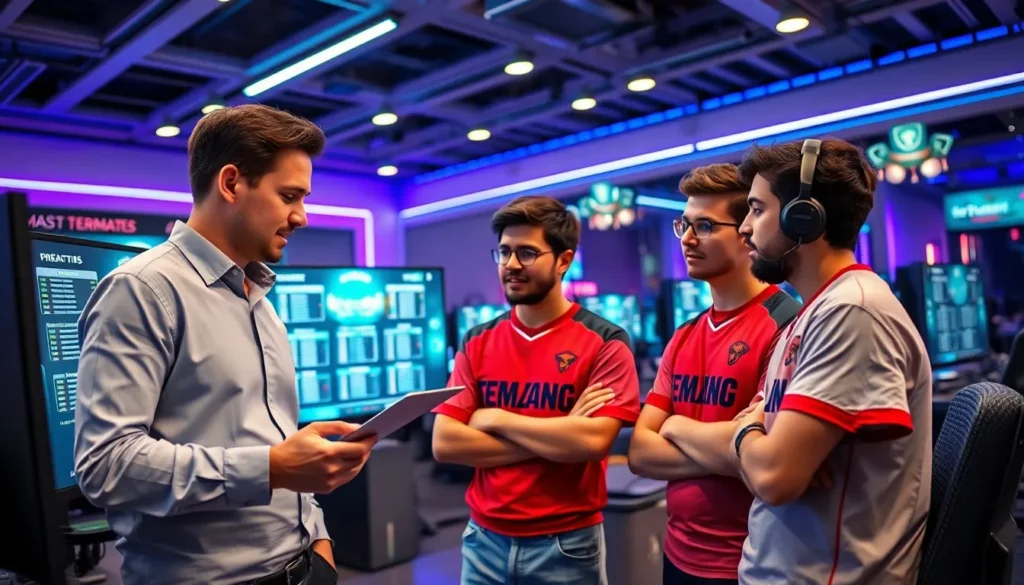
Creating an esports team offers another avenue for those with leadership skills and competitive drive. Teams range from casual friend groups to structured organizations with coaches, analysts, and management staff.
Finding and Recruiting Players
Successful teams start with chemistry. Playing together before formalizing anything reveals communication styles and commitment levels. Discord communities, Reddit threads, and in-game ranked systems help find potential teammates.
Recruitment should focus on:
- Similar schedules for practice
- Compatible play styles and roles
- Shared goals (casual fun vs. competitive grinding)
- Good attitudes during losses
Structuring the Organization
As teams grow, structure becomes essential. Many esports ideas fail because groups skip this step. Clear roles prevent confusion and conflict.
Common positions include:
- Team Captain – Makes in-game calls and represents players
- Coach – Reviews gameplay and develops strategies
- Manager – Handles logistics, registrations, and communication
- Content Creator – Documents the team’s journey
Teams looking to compete seriously should register as an official organization. This involves creating social media presence, designing branding, and potentially forming a legal entity for sponsorship deals.
Securing Sponsorships
Sponsors want exposure and engagement. Teams should build their audience before approaching companies. A team with 500 engaged followers often attracts more interest than one with 5,000 inactive ones.
Local businesses like gaming cafes, computer shops, and energy drink distributors make good first sponsors. They understand the audience and often accept smaller activation requirements.
Content Creation and Streaming Opportunities
Content creation stands among the most popular esports ideas today. Streamers, YouTubers, and social media creators build careers by entertaining and educating gaming audiences.
Choosing a Platform and Format
Each platform rewards different content types:
| Platform | Best For | Content Style |
|---|---|---|
| Twitch | Live streaming | Long-form, interactive |
| YouTube | Edited videos | Tutorials, highlights, documentaries |
| TikTok | Short clips | Quick tips, funny moments, trends |
| Twitter/X | Updates | News, opinions, engagement |
Successful creators often cross-post content. A Twitch stream becomes YouTube highlights, which become TikTok clips, which drive viewers back to Twitch.
Finding a Niche
The gaming content space is crowded. Standing out requires a unique angle. Some esports ideas for content niches include:
- Educational content – Teaching mechanics, strategies, or game knowledge
- Entertainment focus – Funny commentary, challenges, or collaborations
- Competitive coverage – Match analysis, player interviews, tournament recaps
- Behind-the-scenes – Day-in-the-life content from pro players or team houses
Consistency matters more than production quality at the start. Posting regularly builds audience habits and algorithmic favor.
Monetization Paths
Content creators earn through multiple streams: ad revenue, subscriptions, donations, sponsorships, and merchandise. Most successful creators combine several income sources rather than relying on one.
Innovative Esports Business Ventures
Beyond playing and creating, esports ideas extend into business opportunities. The industry needs services, products, and infrastructure that entrepreneurs can provide.
Coaching and Training Services
Skilled players can monetize their knowledge through coaching. Platforms like Metafy and Fiverr connect coaches with students. Rates range from $15 to $200+ per hour depending on the coach’s credentials and the game’s popularity.
Coaching services include:
- One-on-one gameplay review
- Live coaching during ranked matches
- Team strategy sessions
- Mental performance coaching
Esports Facilities and Gaming Centers
Physical gaming spaces continue growing even though online competition. These venues offer high-end equipment, social experiences, and tournament hosting that home setups can’t match.
Starting a gaming center requires significant capital but provides multiple revenue streams: hourly PC rentals, membership fees, food and beverage sales, birthday parties, and corporate events.
Event Production and Management
Companies and game publishers need professionals to run their esports events. This field includes:
- Tournament operations
- Broadcast production
- Talent management (casters, hosts, analysts)
- Sponsorship activation
Many event professionals started as volunteer staff at local tournaments before moving into paid positions. Experience matters more than formal education in this space.
Software and Tool Development
Developers create tools that serve the esports ecosystem. Examples include stat-tracking websites, team management platforms, bracket generators, and training applications. These esports ideas require technical skills but can generate passive income once built.